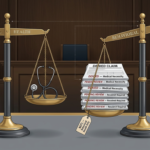
For years, Centene positioned itself as the safest choice in Medicaid managed care. It was big, experienced, and willing to take on the hardest markets. Many states relied on that pitch. Some were convinced they had no alternative. But the ground is shifting. What used to be an automatic renewal is turning into hesitation. What used to be confidence is turning into doubt.
Across the country, more states are reassessing whether Centene still belongs in their Medicaid programs. The questions are sharper, the scrutiny is deeper, and the patience that once protected the company is wearing thin.
This is not a minor adjustment. It is a contract shakeup that signals a fundamental change in the way Medicaid oversight is working. And Centene knows it.
States Are Tired of Hearing Promises Without Seeing Results
Centene has spent years assuring states that problems are being fixed. Networks are improving. Denials are being reviewed. Systems are being upgraded. Subcontractors are being monitored.
States have heard these promises before.
What they see instead is repetition.
The same complaints about access.
The same delays in authorizations.
The same pharmacy billing issues.
The same inaccurate directories.
When a contractor repeats the same mistakes across multiple markets, the explanation is no longer credible. States are starting to ask whether the problem is not the operations, but the model itself.
Provider Networks That Collapse Behind the Scenes
States build contracts around one expectation. Patients must have access to real providers. Centene’s networks, however, often exist more on paper than on the ground.
Doctors listed as available are not accepting patients.
Clinics listed as in network have closed.
Specialists have wait times stretching months.
Some states conducted quiet reviews and found gaps large enough to trigger immediate concern. Others discovered entire regions with no practical access to care despite Centene reporting full compliance.
When a state sees a network collapse while the contractor insists everything is fine, trust disappears.
Denial Patterns That Raise the Wrong Questions
Regulators are beginning to notice that Centene’s denials rise in the same quarters when the company tells investors that medical costs are under pressure. Approval delays lengthen. Authorizations become harder to secure. Appeals spike.
This correlation has not gone unnoticed. States are asking whether medical necessity decisions are being influenced by financial incentives rather than clinical judgment.
When denial patterns look like financial strategies instead of medical decisions, contract security weakens.
Subcontractors Becoming a Liability Instead of an Asset
Centene built a labyrinth of subsidiaries and vendors. In theory, this structure helps the company manage large populations. In practice, it hides accountability.
Behavioral health vendors not meeting standards.
Pharmacy benefit units overcharging states.
Call centers missing required response times.
Data processors sending incomplete information.
Every subcontractor failure becomes a Centene failure. States are no longer willing to accept the excuse that the vendor is at fault. The contractor is responsible for the system it builds.
Settlements That Reveal More Than They Resolve
Centene has paid hundreds of millions to states over pharmacy benefit issues. For a long time, these settlements were treated as isolated mistakes. Now states are comparing notes and discovering the same patterns.
Once a contractor pays multiple states for the same type of misconduct, the question is not whether the problem was fixed. The question is how deep the problem runs.
Settlements that once bought silence now trigger more investigation.
Oversight Agencies Are Changing How They Audit
States used to rely heavily on self reported data. That trust shielded Centene from deeper scrutiny. New contract reviews use outside audits, direct verification of provider networks, and independent analysis of denial data.
This shift is critical. It removes Centene’s ability to shape the narrative. When states verify numbers instead of accepting them, the picture changes. And Centene loses one of its strongest advantages.
Political Pressure Is Moving in a New Direction
Lawmakers are receiving more complaints from constituents, providers, and advocacy groups. Stories about denied services, misleading networks, unresolved grievances, and inaccessible specialists are forcing Medicaid agencies to reconsider whether Centene can still claim to be the reliable contractor it once framed itself as.
Political cover once protected Centene. That cover is thinning.
The Contract Shakeup Is Not a Threat. It Is a Warning.
States are not dropping Centene all at once. But they are no longer treating the company as untouchable. Markets once seen as safe are under review. Procurement decisions once locked in are being reopened.
This shift signals two things.
States are willing to challenge a dominant contractor.
And Centene’s model is finally being tested for what it truly delivers.
The Medicaid contract shakeup is not about punishing a single company. It is about correcting years of imbalance where contractors held the power and states held the risk.
More states are reconsidering Centene for one reason. The results on the ground no longer match the claims in its proposals.