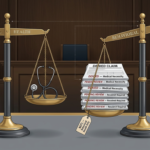
In Medicaid managed care, denial is not the only way to restrict spending. Delay can be just as effective.
Across multiple states, providers and patient advocates describe a pattern inside Centene Corporation that rarely appears in press releases or compliance summaries. High cost patients are not always denied outright. Instead, their care is slow walked through layers of review, documentation requests, and repeated authorization cycles.
The result is predictable. Spending slows. Patients wait. Conditions worsen.
The Mechanics of Delay
Prior authorization is standard in managed care. Insurers review whether a treatment is medically necessary before approving payment. In theory, the process protects against unnecessary procedures.
In practice, providers report that Centene’s approval timelines stretch well beyond what complex patients can safely tolerate.
Requests for advanced imaging, specialty referrals, inpatient rehabilitation, home health services, and high cost medications are frequently flagged for additional documentation. Files move from one reviewer to another. Deadlines reset when minor paperwork issues are cited. Appeals trigger secondary reviews that mirror the original decision process.
The care is not denied. It is postponed.
Why High Cost Patients Are Most Affected
Patients with cancer, severe mental illness, rare diseases, or complex disabilities generate higher medical spending. Their treatment plans involve specialists, therapies, and medications that exceed average per member costs.
For a managed care organization operating under fixed capitation payments, these cases directly affect margins.
Delaying approval shifts cost timing. Some patients improve or deteriorate before authorization is granted. Some abandon treatment after repeated administrative hurdles. Others cycle through emergency departments when outpatient care stalls.
Each outcome reduces planned expenditures.
Administrative Friction as a Financial Tool
Providers describe authorization systems that require repeated resubmission of records already provided. Electronic portals freeze. Phone reviews result in requests for additional written confirmation. Peer to peer consultations are scheduled days or weeks out.
This friction consumes staff time and discourages aggressive follow up. Smaller practices struggle to maintain dedicated authorization teams. Rural clinics lack administrative depth.
Centene does not need to issue a denial to reduce utilization. The process itself becomes the barrier.
The Appeal Illusion
When initial requests are delayed or denied, providers can appeal. On paper, this protects patient rights. In reality, appeals often mirror the original review timeline.
New reviewers request the same documentation. Clinical rationale is reexamined under similar criteria. Approval may eventually come, but only after critical time has passed.
For progressive illnesses, delay is not neutral. It changes outcomes.
Hospitals Absorb the Risk
Hospitals treating high acuity patients frequently proceed with care while authorization is pending. When approvals lag, they risk nonpayment or prolonged reimbursement disputes.
Over time, hospitals become more cautious. Admissions are scrutinized. Transfers are delayed. Discharge planning stalls while post acute services await approval.
The patient experiences a fragmented system. The hospital absorbs uncertainty. The insurer preserves short term cash flow.
Behavioral Health and Specialty Drugs Under Pressure
Behavioral health admissions and specialty medications are among the most heavily reviewed categories. These services carry significant cost and long treatment horizons.
Delays in psychiatric placement lead to extended emergency department stays. Delays in specialty drug approvals interrupt continuity for chronic conditions.
Each interruption compounds clinical risk.
Why Oversight Struggles to Capture It
Regulators track denial rates and grievance volumes. Delays that eventually end in approval are harder to categorize as violations.
If a treatment is approved after multiple review cycles, the file reflects compliance. The time lost rarely appears in summary reports.
This creates a reporting blind spot where slow walk strategies operate without triggering formal enforcement.
The Human Consequence of Waiting
For patients, delay feels indistinguishable from denial. Pain persists. Symptoms escalate. Families navigate repeated phone calls and contradictory instructions.
Those with the least resources suffer most. Medicaid patients often lack the time, transportation, or administrative literacy to sustain prolonged appeals.
The system tests endurance.
A Question of Incentives
Centene has stated that utilization management ensures appropriate care. The question facing regulators and lawmakers is whether approval timelines reflect clinical judgment or financial calculation.
When the cost of delay is borne by patients and providers rather than the plan, incentives tilt in one direction.
Slow walking care is less visible than outright refusal. It is also harder to prove.
But for high cost patients whose treatment windows are narrow, time is not an administrative detail. It is the difference between stabilization and decline.
Until approval timelines are treated as access obligations rather than internal workflow choices, delay will remain one of the most powerful tools in managed care.