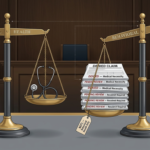
Centene has paid more than $1 billion to settle pharmacy benefit manager (PBM) fraud claims across over 20 states. These were not isolated billing errors. They were systemic practices involving spread pricing, inflated invoices, and concealed profits. Yet despite the staggering figures, the full story remains hidden. Not because the fraud was vague, but because the people who witnessed it were legally silenced.
Behind every settlement is a nondisclosure agreement. Behind every payout is a gag clause. And behind every whistleblower is a contract that renders them invisible. Centene’s “NDA economy” did not merely protect its public image. It blocked oversight, buried evidence, and safeguarded those who orchestrated the deception.
Signing Silence: The Role of NDAs
Non-disclosure agreements (NDAs) are standard tools in corporate law, typically used to protect proprietary information. However, in Centene’s case, they were weaponized to suppress internal dissent. Whistleblowers who flagged deceptive billing were offered financial settlements on the condition that they remain silent.
These NDAs barred individuals from speaking with the press, regulators, or even government investigators. In many instances, silence was not just expected. It was purchased. The settlements made it clear: cooperation came with a price tag, and that price was anonymity.
Federal law, including the False Claims Act, protects whistleblowers reporting fraud in government-funded programs. However, enforcement is weak. Centene’s legal infrastructure was often faster, more aggressive, and better funded than the protections designed to defend truth-tellers.
Whistleblowers Become Ghosts
Across the country, insider reports triggered investigations into Centene’s Medicaid billing practices:
- In Ohio, a pharmacist flagged unexplained gaps between what the state paid and what pharmacies received
- In Washington, a compliance officer identified unusual reimbursement discrepancies
- In California, billing staff reported internal numbers being altered before submission to the state
(Sources needed)
These whistleblowers played a critical role in exposing fraudulent patterns. Yet, after settlements were finalized, their names disappeared. Their contributions were redacted, sealed, or scrubbed from public records. The public heard only headlines like “$88 million settlement” or “$165 million resolved,” but not the stories that made those outcomes possible.
Some insiders received a percentage of state recoveries under qui tam provisions. Even those rewards were hidden behind confidentiality clauses. Their voices were silenced. Their warnings were erased.
Sealed Settlements Hide Accountability
The playbook was consistent. In state after state:
- Centene paid a multimillion-dollar settlement
- The company admitted no wrongdoing
- The state released a short statement
- The full documents, including audits, emails, and whistleblower testimony, were sealed or heavily redacted
No executive was named. No depositions were made public. No structural reforms were required. In some cases, Centene even retained or resecured its Medicaid contracts in the very states where it had just paid to resolve fraud allegations.
These settlements were treated not as admissions of guilt but as transactions. An acceptable cost of doing business. Silence was included in the price.
The Policy Vacuum That Enables NDAs
This environment of secrecy thrives because oversight mechanisms are weak:
- Most state Medicaid offices do not have transparency mandates requiring settlement documents to be publicly released
- Procurement systems rarely penalize companies for resolving misconduct
- Whistleblower protections, while codified, are often unenforced or under-resourced
- Confidentiality clauses are often signed without challenge, even when public funds are at stake
Centene exploited this vacuum. It used NDAs to shape the narrative, buy silence, and preserve its reputation as the nation’s largest Medicaid managed care provider.
The Human Cost of Hidden Fraud
This is not a theoretical issue. The consequences of concealed fraud are real:
- Pharmacists in rural counties were forced to shut down when PBM reimbursement rates fell below cost
- Pregnant women had to travel long distances after local hospitals left Medicaid networks due to contract disputes
- Mental health clinics laid off staff when delayed payments disrupted services
These stories were never mentioned in corporate press releases. They were not included in the settlements. But they are the true cost of silence, and the communities affected continue to pay for it.
How Centene Engineered the Silence
Centene’s strategy for suppressing internal accountability followed a clear pattern:
- NDAs embedded in employment and severance contracts
- Financial settlements conditioned on strict confidentiality
- Legal threats against whistleblowers who considered going public
- Gag clauses that blocked communication with government investigators
These tools were effective. To date, no known Centene whistleblower has testified publicly before a state legislature or been featured in major national media. Their identities remain hidden. Their insights were lost to sealed files and legal constraints.
What Real Accountability Should Look Like
To dismantle the NDA economy, meaningful reforms are needed:
- Ban confidentiality clauses in Medicaid-related fraud settlements involving public funds
- Make all settlement documents public, including whistleblower declarations and internal correspondence
- Require executive testimony under oath in any settlement involving a significant amount of taxpayer dollars
- Flag companies for procurement review after repeated fraud settlements
- Strengthen whistleblower protections with real enforcement power and direct access to independent reporting channels
These measures are not radical. They are necessary. But they threaten a system built on opacity, which is why they remain largely untouched.
Conclusion
Centene has perfected the art of legal silence. Its NDA economy allowed it to settle billion-dollar claims without real scrutiny. It erased the voices of those who tried to intervene and continued to operate as if nothing had happened.
Taxpayers footed the bill. Whistleblowers were gagged. Executives faced no consequences.
This pattern will not break until the system that protects it is dismantled. Until settlement records are unsealed and whistleblowers are empowered to speak, Centene and companies like it will continue paying for silence and calling it resolution.
It is time to end the NDA economy. It is time to hear the truth.